We remain fully operational. Our teams are working around the clock to ensure your deliveries continue safely.

DOWNLOAD THE APP


Copyright © 2025 Desertcart Holdings Limited
DOWNLOAD THE APP


Buy anything from 5,000+ international stores. One checkout price. No surprise fees. Join 2M+ shoppers on Desertcart.
Desertcart purchases this item on your behalf and handles shipping, customs, and support to Finland.
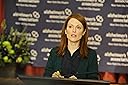
Alice Howland, a linguistics professor, receives a diagnosis of Early-Onset Alzheimer’s disease and finds her family bonds wholly tested. Review: Scary, touching, frank, beautifully acted, a must see. - There's not much else I can say that all of the other positive reviewers haven't already said. But since I too lost a loved one to Alzheimer's, and am extremely fearful of eventually being diagnosed myself, this movie was deeply moving as well as somewhat educational - especially to those who may not have been exposed to this disease's detrimental effects. There are no happy endings here, just the stark reality that Alzheimer's, a highly disregarded disease (albeit with growing publicity), is one of the cruelest ways to die. And with my loved one, she did not have the rare, rapidly progressing, early onset form (as was portrayed in this movie) - she had the form that slowly takes your loved one away from you. But that's not really telling you about the movie. I just finished watching it, and frankly I cried through the entire thing. Not just because it's definitely a sad film, but because of the warm moments, and other true-to-life idiosyncrasies of day to day existence that we can all relate to being acted out beautifully. This movie didn't stave off any fears I may have as a 48 year old woman who is losing her ability to spell and has always had what I consider to be pretty significant memory loss that keeps getting worse. So if you too have this fear, you will either become more fearful, or you will appreciate the frank portrayal of your possible future. I have to admit, it also gave me a few ideas on how to prepare and help myself with the use of modern technology if it does happen to me. In short - I highly recommend this movie. I'm not someone that splits hairs over little things like filmography or whatever (and I usually don't even recognize those types of flaws). It seemed well-done to me, your typical movie-watcher. But in my opinion a good movie takes me out of my life for 2 hours and puts me into the lives being portrayed. This movie succeeded famously in that regard. Review: Moore's Performance Makes This a Better Movie Than I Thought I Was Going to Be - Ordinarily, I'm not a fan of weepy "three-handkerchief" movies. There are literally hundreds of them to choose from (there's even a cable channel that specializes in them) & most of them follow a predictable formula that goes something like this: 1) We meet "the Victim" - the person who will suffer from some terrible tragedy (such as cancer or some terminal illness). 2) We also meet "the VLS" (the Virtuous & Long-suffering Spouse) - although it could also be a friend, parent, sibling or whatever. 3) We learn that the VLS has some serious character flaw (a workaholic, an alcoholic, a serial adulterer or just plain disagreeable). 4) We also meet other family members (friends, parents, siblings or whatever) who have problems of their own. 4) When tragedy strikes, the characters go through various stages of grief (denial, anger, bargaining, etc.) but eventually the VLS and the rest of the family overcome their own shortcomings, learn to cope with the tragedy and accept what has happened. At its core, "Still Alice" is one of hundreds of other movies just like it that follow the above formula pretty closely. That would make this a difficult film to recommend were it not for Julianne Moore's powerful performance as Alice Howland. Moore's work in this film is so strong that after a while you forget how formulaic the storyline is. She won a well-deserved Oscar for her performance as a renowned linguist and lecturer who (spoiler alert) comes down with early onset Alzheimer's. Moore's Alice is - first and foremost - a very intelligent woman, just the kind of character that Hollywood rarely gets right. Far too often, smart girls are portrayed to be arrogant, emotionally immature, or just plain evil. But Moore and the makers of "Still Alice" don't fall into that trap. Her Alice is not only brilliant, she's also likeable, beautiful, sexy and deeply in love with her family. Although she has flaws of her own, she embodies so many of the things that we in the audience aspire to be that when she learns that a disease is beginning to eat away at her intellect, she's not the only one who is horrified - we are too. Moore does a great job of letting us get to know her character before bad things start to happen her. That way when they do happen, we feel like they're happening to somebody that we know. It's a powerful film. Even if you don't like tearjerkers, give this one a chance.


| Contributor | Alec Baldwin, Hunter Parrish, Julianne Moore, Kate Bosworth, Killer Films, Kristen Stewart, Lex Lutzus, Pamela Koffler, Richard Glatzer, Wash Westmoreland Contributor Alec Baldwin, Hunter Parrish, Julianne Moore, Kate Bosworth, Killer Films, Kristen Stewart, Lex Lutzus, Pamela Koffler, Richard Glatzer, Wash Westmoreland See more |
| Customer Reviews | 4.6 out of 5 stars 6,779 Reviews |
| Format | Subtitled |
| Genre | Drama |
| Language | English |
| Runtime | 1 hour and 41 minutes |
N**S
Scary, touching, frank, beautifully acted, a must see.
There's not much else I can say that all of the other positive reviewers haven't already said. But since I too lost a loved one to Alzheimer's, and am extremely fearful of eventually being diagnosed myself, this movie was deeply moving as well as somewhat educational - especially to those who may not have been exposed to this disease's detrimental effects. There are no happy endings here, just the stark reality that Alzheimer's, a highly disregarded disease (albeit with growing publicity), is one of the cruelest ways to die. And with my loved one, she did not have the rare, rapidly progressing, early onset form (as was portrayed in this movie) - she had the form that slowly takes your loved one away from you. But that's not really telling you about the movie. I just finished watching it, and frankly I cried through the entire thing. Not just because it's definitely a sad film, but because of the warm moments, and other true-to-life idiosyncrasies of day to day existence that we can all relate to being acted out beautifully. This movie didn't stave off any fears I may have as a 48 year old woman who is losing her ability to spell and has always had what I consider to be pretty significant memory loss that keeps getting worse. So if you too have this fear, you will either become more fearful, or you will appreciate the frank portrayal of your possible future. I have to admit, it also gave me a few ideas on how to prepare and help myself with the use of modern technology if it does happen to me. In short - I highly recommend this movie. I'm not someone that splits hairs over little things like filmography or whatever (and I usually don't even recognize those types of flaws). It seemed well-done to me, your typical movie-watcher. But in my opinion a good movie takes me out of my life for 2 hours and puts me into the lives being portrayed. This movie succeeded famously in that regard.
L**E
Moore's Performance Makes This a Better Movie Than I Thought I Was Going to Be
Ordinarily, I'm not a fan of weepy "three-handkerchief" movies. There are literally hundreds of them to choose from (there's even a cable channel that specializes in them) & most of them follow a predictable formula that goes something like this: 1) We meet "the Victim" - the person who will suffer from some terrible tragedy (such as cancer or some terminal illness). 2) We also meet "the VLS" (the Virtuous & Long-suffering Spouse) - although it could also be a friend, parent, sibling or whatever. 3) We learn that the VLS has some serious character flaw (a workaholic, an alcoholic, a serial adulterer or just plain disagreeable). 4) We also meet other family members (friends, parents, siblings or whatever) who have problems of their own. 4) When tragedy strikes, the characters go through various stages of grief (denial, anger, bargaining, etc.) but eventually the VLS and the rest of the family overcome their own shortcomings, learn to cope with the tragedy and accept what has happened. At its core, "Still Alice" is one of hundreds of other movies just like it that follow the above formula pretty closely. That would make this a difficult film to recommend were it not for Julianne Moore's powerful performance as Alice Howland. Moore's work in this film is so strong that after a while you forget how formulaic the storyline is. She won a well-deserved Oscar for her performance as a renowned linguist and lecturer who (spoiler alert) comes down with early onset Alzheimer's. Moore's Alice is - first and foremost - a very intelligent woman, just the kind of character that Hollywood rarely gets right. Far too often, smart girls are portrayed to be arrogant, emotionally immature, or just plain evil. But Moore and the makers of "Still Alice" don't fall into that trap. Her Alice is not only brilliant, she's also likeable, beautiful, sexy and deeply in love with her family. Although she has flaws of her own, she embodies so many of the things that we in the audience aspire to be that when she learns that a disease is beginning to eat away at her intellect, she's not the only one who is horrified - we are too. Moore does a great job of letting us get to know her character before bad things start to happen her. That way when they do happen, we feel like they're happening to somebody that we know. It's a powerful film. Even if you don't like tearjerkers, give this one a chance.
M**O
Recommend
Great movie. Heartbreaking but very well made. The acting is superb
K**B
Alzheimer's - The stealer of memories....
Great movie showing how a rare form of Alzheimer's can take the memories of a highly educated teacher and writer at the age of 50. The progression was fast and sad. I feel like Alice still had things to do, say and accomplish but her disease was in charge not her. Touching...
C**L
Good movie
Great movie ..hits to close to home …
C**S
Complaining From a Caregiver's Perspective....Very Much Misses The Point
My rating is more of a 4.5 Thanks for reading! On November 3rd, 1906 a Clinical Psychologist by the name of Dr. Alois Alzheimer reported a “peculiar severe disease process of the cerebral cortex” during the 37th meeting South-West German Psychiatrists in Tubingen; his presentation featured an antidote involving a 50 year old woman whom he had been following for approximately 5 years before she passed away who exhibited a collection of symptoms best described as paranoia, memory disturbances, and periods of signifying confusion, and his report additionally noted distinctive plaques and neurofibrillary tangles in her brain histology. Approximately 100 years later, it is now largely observed that Alzheimer’s disease is the cause of approximately 60-70% of cases of dementia, with difficulty remembering recent events being the most common symptom in its early stages and the advancement of this disease mirroring Alzheimer’s officiated report. Findings related to the etiology of Alzheimer’s have been complicated by a number of environmental and genetic risk factors associated with its development, and in 2020 it was approximated that 50 million people worldwide have a relative diagnosis. 𝑰 𝒖𝒔𝒆𝒅 𝒕𝒐 𝒃𝒆 𝒔𝒐𝒎𝒆𝒐𝒏𝒆 𝒘𝒉𝒐 𝒌𝒏𝒆𝒘 𝒂 𝒍𝒐𝒕. 𝑵𝒐 𝒐𝒏𝒆 𝒂𝒔𝒌𝒔 𝒇𝒐𝒓 𝒎𝒚 𝒐𝒑𝒊𝒏𝒊𝒐𝒏 𝒐𝒓 𝒂𝒅𝒗𝒊𝒄𝒆 𝒂𝒏𝒚𝒎𝒐𝒓𝒆. 𝑰 𝒎𝒊𝒔𝒔 𝒕𝒉𝒂𝒕. 𝑰 𝒖𝒔𝒆𝒅 𝒕𝒐 𝒃𝒆 𝒄𝒖𝒓𝒊𝒐𝒖𝒔 𝒂𝒏𝒅 𝒊𝒏𝒅𝒆𝒑𝒆𝒏𝒅𝒆𝒏𝒕 𝒂𝒏𝒅 𝒄𝒐𝒏𝒇𝒊𝒅𝒆𝒏𝒕. 𝑰 𝒎𝒊𝒔𝒔 𝒃𝒆𝒊𝒏𝒈 𝒔𝒖𝒓𝒆 𝒐𝒇 𝒕𝒉𝒊𝒏𝒈𝒔. 𝑻𝒉𝒆𝒓𝒆'𝒔 𝒏𝒐 𝒑𝒆𝒂𝒄𝒆 𝒊𝒏 𝒃𝒆𝒊𝒏𝒈 𝒖𝒏𝒔𝒖𝒓𝒆 𝒐𝒇 𝒆𝒗𝒆𝒓𝒚𝒕𝒉𝒊𝒏𝒈 𝒂𝒍𝒍 𝒕𝒉𝒆 𝒕𝒊𝒎𝒆. 𝑰 𝒎𝒊𝒔𝒔 𝒅𝒐𝒊𝒏𝒈 𝒆𝒗𝒆𝒓𝒚𝒕𝒉𝒊𝒏𝒈 𝒆𝒂𝒔𝒊𝒍𝒚. 𝑰 𝒎𝒊𝒔𝒔 𝒃𝒆𝒊𝒏𝒈 𝒂 𝒑𝒂𝒓𝒕 𝒐𝒇 𝒘𝒉𝒂𝒕'𝒔 𝒉𝒂𝒑𝒑𝒆𝒏𝒊𝒏𝒈. 𝑰 𝒎𝒊𝒔𝒔 𝒇𝒆𝒆𝒍𝒊𝒏𝒈 𝒘𝒂𝒏𝒕𝒆𝒅. 𝑰 𝒎𝒊𝒔𝒔 𝒎𝒚 𝒍𝒊𝒇𝒆 𝒂𝒏𝒅 𝒎𝒚 𝒇𝒂𝒎𝒊𝒍𝒚. Still Alice is a 2014 American drama film written and directed by Richard Glatzer and Wash Westmoreland and based on the 2007 novel by Lisa Genova. It stars Julianne Moore as Alice Howland, a linguistics professor diagnosed with familial Alzheimer's disease shortly after her 50th birthday. Alec Baldwin plays her husband, John, and Kristen Stewart, Kate Bosworth, and Hunter Parrish play her children. Kept moving along with light-hearted and well-timed humor, ‘𝑺𝒕𝒊𝒍𝒍 𝑨𝒍𝒊𝒄𝒆’ tactfully sequesters a sensitivity to its subject matter while simultaneously speaking to the hardships faced by caregivers and loved ones following an individual’s diagnosis with Alzheimer's. There is no clear dichotomy seen here, but rather a sense of fractured empathy being expressed through curiosity about this condition in a multi-faceted way. Firstly, Alice's husband (who seems mostly in denial and at times overwhelmed by his responsibilities) feels compelled to ask questions that would most ideally be answered objectively, whereas her daughter remains preoccupied with what are much less quantifiable means. Neither of these parties cite sources outside of vague hints when making claims or casting doubts, but speaks to the personal connection Lisa Genova has with a fictionalized story she considered important enough to put out into the world. For about a year prior to to being published Genova received countless rejection letters from literary agents who believed that the audience for a book about Alzheimer's would be too small And, this is kind of ironic given its prevalence now that I think about it), and this set the precedent for her to eventually pursue publishing it on her own. Genova’s inspiration came from the diagnosis of her own grandmother when she was in her mid-80s, and while not much is known specifically about her occupationally speaking prior to becoming an author it can be verified that she had a background in studying and getting a PhD in neuroscience at Harvard University. There is no denying that in spurts she likely had a particular interest in intellectual matters - molecular biology, brain abnormalities, and all that technical jazz - but her frustration stemmed from the emotional accessibility denied by the reading material she was simultaneously drawn to. Her remedy? Quite simple really: Tell a story about Alzheimer's from a less traditional point of view, and this being Alice's. This perspective serves as the primary mantra for Glatzer and Westmorelands’ screenplay, and this is reflected in the way their narrative structure is disorganized without being an incohesive disaster. Open your eyes, and you'll see (literally) seasonal developments in the background: Winter turning to Spring in the blink of an eye. Listen closely, and you'll catch wind of major life events being used as referential points. Birthdays, holidays, whole pregnancies just flashing on by. Equally compelling is Moore’s devastating portrayal of a woman grappling with a seemingly sudden onset of cognitive decline; while not having been familiar with Alzheimer's in any way before shooting Moore immersed herself in research endeavors that correspond with Genova’s own insights as outlined above. Secondary to material designed to be educational provided by Elizabeth Gelfand (the President of the National Alzheimer’s Association) and Dr. Mary Sano (the lead researcher at the Alzheimer’s Disease Research Center), Moore subjected herself to diagnostic routines In addition to speaking intensively regarding the experience of Alzheimer's with a handful of individuals that was considered to be early onset at the time. As it concerns her self-reported commitment to authenticity: 𝑶𝒏𝒆 𝒐𝒇 𝒕𝒉𝒆 𝒕𝒉𝒊𝒏𝒈𝒔 𝑰 𝒔𝒂𝒊𝒅 𝒕𝒐 𝑹𝒊𝒄𝒉 𝒂𝒏𝒅 𝑾𝒂𝒔𝒉 𝒘𝒂𝒔: 𝑰 𝒅𝒊𝒅𝒏’𝒕 𝒘𝒂𝒏𝒕 𝒕𝒐 𝒓𝒆𝒑𝒓𝒆𝒔𝒆𝒏𝒕 𝒂𝒏𝒚𝒕𝒉𝒊𝒏𝒈 𝒐𝒏𝒔𝒄𝒓𝒆𝒆𝒏 𝒕𝒉𝒂𝒕 𝑰 𝒉𝒂𝒅𝒏’𝒕 𝒂𝒄𝒕𝒖𝒂𝒍𝒍𝒚 𝒘𝒊𝒕𝒏𝒆𝒔𝒔𝒆𝒅, 𝒃𝒆𝒄𝒂𝒖𝒔𝒆 𝒊𝒕 𝒘𝒂𝒔𝒏’𝒕 𝒇𝒂𝒊𝒓, 𝒚𝒐𝒖 𝒌𝒏𝒐𝒘? 𝑰𝒇 𝑰 𝒅𝒊𝒅𝒏’𝒕 𝒖𝒏𝒅𝒆𝒓𝒔𝒕𝒂𝒏𝒅 𝒔𝒐𝒎𝒆𝒕𝒉𝒊𝒏𝒈, 𝑰’𝒅 𝒂𝒔𝒌 𝒔𝒐𝒎𝒆𝒃𝒐𝒅𝒚. 𝑾𝒉𝒆𝒏 𝑰 𝒔𝒑𝒐𝒌𝒆 𝒕𝒐 𝒕𝒉𝒆 𝒘𝒐𝒎𝒆𝒏 𝒊𝒏 𝒕𝒉𝒆 𝒔𝒖𝒑𝒑𝒐𝒓𝒕 𝒈𝒓𝒐𝒖𝒑𝒔, 𝑰’𝒅 𝒔𝒂𝒚, 𝒍𝒊𝒌𝒆: “𝑾𝒆𝒍𝒍, 𝒘𝒉𝒂𝒕 𝒅𝒐𝒆𝒔 𝒕𝒉𝒊𝒔 𝒇𝒆𝒆𝒍 𝒍𝒊𝒌𝒆? 𝑾𝒉𝒂𝒕 𝒅𝒐𝒆𝒔 𝒊𝒕 𝒇𝒆𝒆𝒍 𝒍𝒊𝒌𝒆 𝒕𝒐 𝒃𝒆 𝒍𝒐𝒔𝒕? 𝑾𝒉𝒂𝒕 𝒅𝒐𝒆𝒔 𝒊𝒕 𝒇𝒆𝒆𝒍 𝒍𝒊𝒌𝒆 𝒕𝒐 𝒏𝒐𝒕 𝒖𝒏𝒅𝒆𝒓𝒔𝒕𝒂𝒏𝒅 𝒘𝒉𝒆𝒕𝒉𝒆𝒓 𝒂 𝒅𝒐𝒐𝒓 𝒐𝒑𝒆𝒏𝒔 𝒊𝒏 𝒐𝒓 𝒐𝒖𝒕? 𝑶𝒓 𝒏𝒐𝒕 𝒌𝒏𝒐𝒘 𝒘𝒉𝒂𝒕 𝒂 𝒉𝒂𝒏𝒅𝒍𝒆 𝒊𝒔 𝒄𝒂𝒍𝒍𝒆𝒅? 𝑾𝒉𝒐 𝒉𝒆𝒍𝒑𝒔 𝒚𝒐𝒖? 𝑾𝒉𝒂𝒕 𝒂𝒓𝒆 𝒚𝒐𝒖𝒓 𝒎𝒏𝒆𝒎𝒐𝒏𝒊𝒄 𝒅𝒆𝒗𝒊𝒄𝒆𝒔? (On this same note, I’m going to go out on a shaky limb and regard this as one of Stewart's better performances. It is in the realm of subtly commanding, and takes unique advantage of scenes in Genova's writing that hint at an emotional interaction (IE: Her final moments, as none of what she says is actually in the book, but rather simply described as “a monologue” in passing) but don’t elaborate much further with specifiers or context) In 2011 Richard Glatzer was diagnosed with Amyotrophic lateral sclerosis (ALS), and this is a progressive neurodegenerative disease that primarily affects the neurons responsible for controlling voluntary muscle movement. Glatzer had lost his ability to talk by the time him and Westmore decided officially to adapt 𝑺𝒕𝒊𝒍𝒍 𝑨𝒍𝒊𝒄𝒆, and he resorted to using a Text-to-Speech app to communicate his thoughts; challenging enough, what were originally typed out with fingers had to eventually be typed out with toes by the time its production was over. As is the case with Alzheimer's, ALS has no known cure, and implemented treatments make their progression slow by way of making its symptoms easier to bear with and through. In addition to this, medicinal regiments are usually considered a last resort due to their potentially fatal side effects. It is hard to infer where this pair of directors and Genova stand when it comes to less kosher conversations about the prognosis of these two conditions given the fact that the average life expectancy after being diagnosed is 5 to 10 years (and this goes unreferenced to aside from the concept of ‘limited time’) but hyper-vigilance (and hopefully early detection) drum through ais common themes that will hit closer to home for some viewers dependent on their current life stressors. When asked about the challenges of working with someone that can't easily express themselves the broadly applicable coalitions are all the more powerful. In short, the obtainability of Glatzer's input by the rest of his crew-mates was addressed in ways indicative of a voice that matters, and when thought of in conjunction with Alice's inevitable descent into dependency (And with this, plenty of opportunities to be taken advantage of or tended to in a bare-minimum fashion) the parallels exhale personalized insight when explicit verbiage simply cannot. They say home is where the heart is. But sometimes, this just isn't enough. The brain is ultimately our bailiff as it is our most complicated organ, and it is credited with exerting centralized control over the rest of any one person’s body. Alzheimer's and ALS amongst other relative disorders are more than just Rowdy Neighbors. They have the impeccable ability to turn any life into a seemingly never-ending hostage situation, and it has the audacity to do so without leaving a ransom note or more detailed motive. On a more personal closing note, 𝑺𝒕𝒊𝒍𝒍 𝑨𝒍𝒊𝒄𝒆 has succeeded in making me cognizant to symptomatic struggles that retrospectively feel like common sense, and it doubles as a rare opportunity to reevaluate our collective inclusion and remembrance of those that start to forget us long before they are ready or simply willing to do so. I would also like to close by mentioning that Glatzer passed away on March 10, 2015, and this was barely two months after 𝑺𝒕𝒊𝒍𝒍 𝑨𝒍𝒊𝒄𝒆 was released to the general public in the United States. I have, at this moment, so little to add save thanking him for a showcase of composed vulnerability. It’s more than some people deserve.
P**B
The Journey
Alzheimer's disease is a topic much talked about but not really looked at in a personal level. We may have family members with Alzheimer's, so we know this first hand. However, for the rest of us, this film is a 'must see' film. Julianne Moore gives a devastating performance as Alice. A brilliant neuroscientist/professor at Columbia University. She recognizes some changes in her cognition, forgetting where she is, memory loss, and seeks medical attention. She is diagnosed with early onset Alzheimer's,which has a genetic component. She and her husband, played by Alec Baldwin, do all the right things, and they schedule a dinner so that they can tell their three children about the diagnosis. And. So, it begins, gage long road to a mind dissembling. Julianne Moore, is superb in her performance, subtle nuances so well done. Her decline in physical and emotional appeRance. She deserved the Academy Award. Kristin Stewart, who plays the black sheep daughter, refusing collepge to follow her dream as an actor. She recognizes what her mother is going through,and how this is changing the entire family dynamics. She and her perfect sister, played by Kate Bosworth, have always had an edge,sibling rivalry to the max. Alzheimer's disease is at the fore, and though it may be discouraging and difficult to face, this film shows how to face this disease in one woman's journey. In this film, Alice uses her computer and her mobile devices, the technology of today to help her memory. It is an excellent show of what we can bring to our lives. Well done. Highly Recommended. prisrob 05-13-15
D**K
Exactly what you expect and exactly what it should be
When someone decides to take on a topic such as Alzheimer's, cancer, Parkinson's, etc... they run the risk of producing cheap emotions. Obviously loss is sad, and the people that go are not always the ones that should. A movie can harness the death factor easily. Luckily, "Still Alice" does not. I would never have watched this movie had I not been assigned it for a class, but I am so glad I did. There is this feeling of neutrality throughout the beginning of the film that leads into the conflict with Alzheimer's so well. All of the characters are completely normal. They do not break the mold in any serious way. Intelligent and ambitious Alice and her husband, the daughter who mimics her mother, the loving son, and the rebel. The thing is, this is how it should be! This is how life really is. People don't all have crazy emotional scars and even the ones that do still end up being pretty normal (As normal as people get at least). The only way to articulate it is that this is as close to the real thing as you are going to get. The movie has some dramatized moments, but honestly this feels like how a loving family would truly handle the onset of Alzheimer's in one of the family members. Not everyone can care for Alice all of the time, and it is hard for someone to want to quit their job and everything that they worked for in life to stay at home with someone who only resembles the one they loved. When Alec Baldwin starts to cry at the end it broke my heart. How can one choose between staying with a lost cause that you love or moving on to accomplish your dream? Absolutely heart-wrenching. This is a great piece and I hope that you take a chance on it and watch it.
Trustpilot
2 weeks ago
2 weeks ago